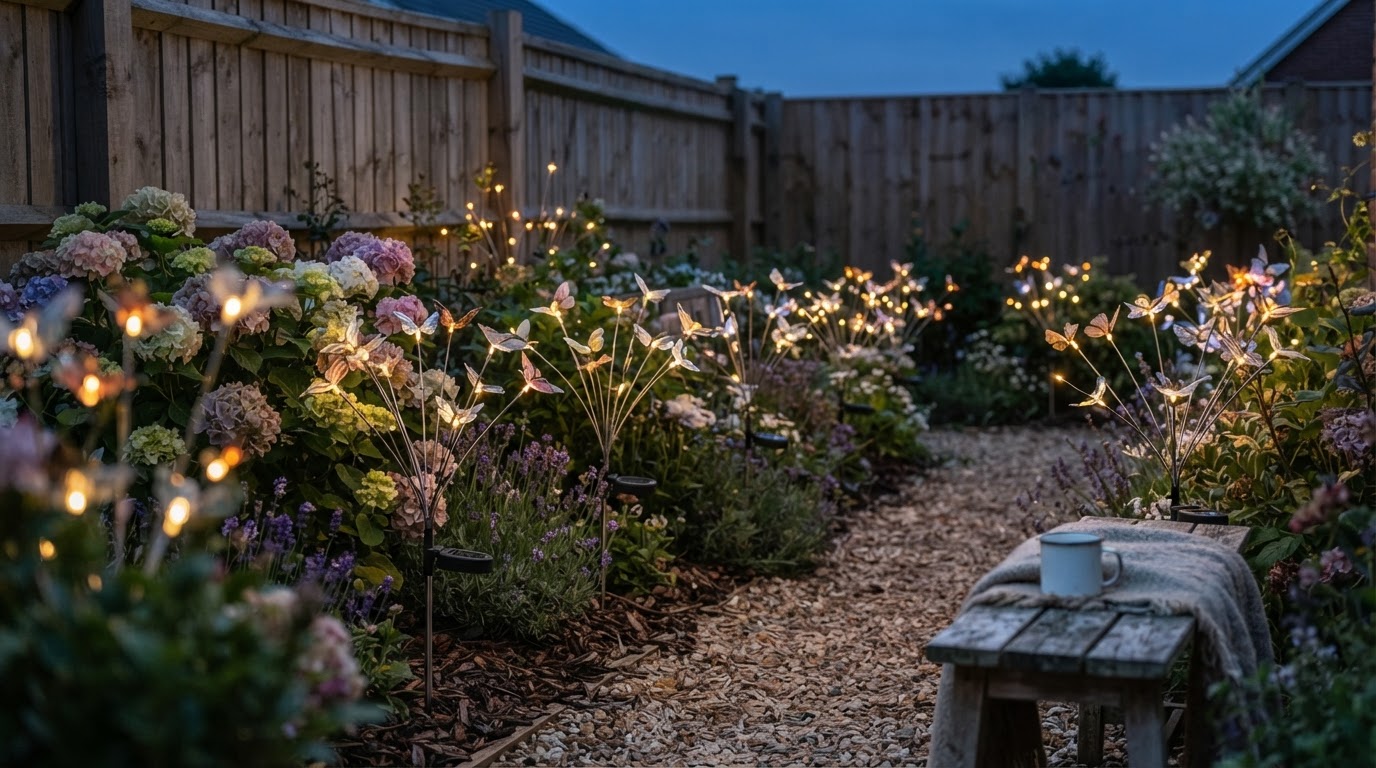
How do Solar Outdoor Fairy Lights simulate fireflies?
 Maya ChenContributing Editor
October 19, 2026 — Solar outdoor fairy lights simulate firefly behavior through a combination of lightweight LED placement on flexible wire stems and integrated dusk-to-dawn photocell sensors that trigger intermittent illumination cycles.
The conventional wisdom says that any flickering light in a garden creates a "magical" atmosphere, but the technical reality is more rigid. Homeowners seeking to replicate the organic movement of Lampyridae often overlook the mechanical limitations of static string lights, turning instead to specialized firefly variants that rely on kinetic energy from wind rather than complex programming.
Can solar firefly lights withstand severe weather conditions?
Most solar firefly lights are engineered for standard precipitation but fail during extreme thermal fluctuations or high-velocity wind events. While marketing materials often promise year-round durability, the structural integrity of the swaying stems is a common point of failure. According to Nature's Way Bird Products, their Outdoor Solar Garden Firefly Lights are designed to withstand rain, wind, and snow using weather-resistant materials, yet user ratings frequently highlight the discrepancy between theoretical durability and actual field performance. Run the math: a light designed for a gentle breeze often lacks the tensile strength to survive a 40-mph gust without permanent deformation of the wire support. For those requiring more robust installations, integrating solar copper wire lights outdoor waterproof provides a more stable alternative, as these can be tightly wound around fixed structures rather than relying on thin, swaying poles.
How does the photocell sensor improve firefly simulation?
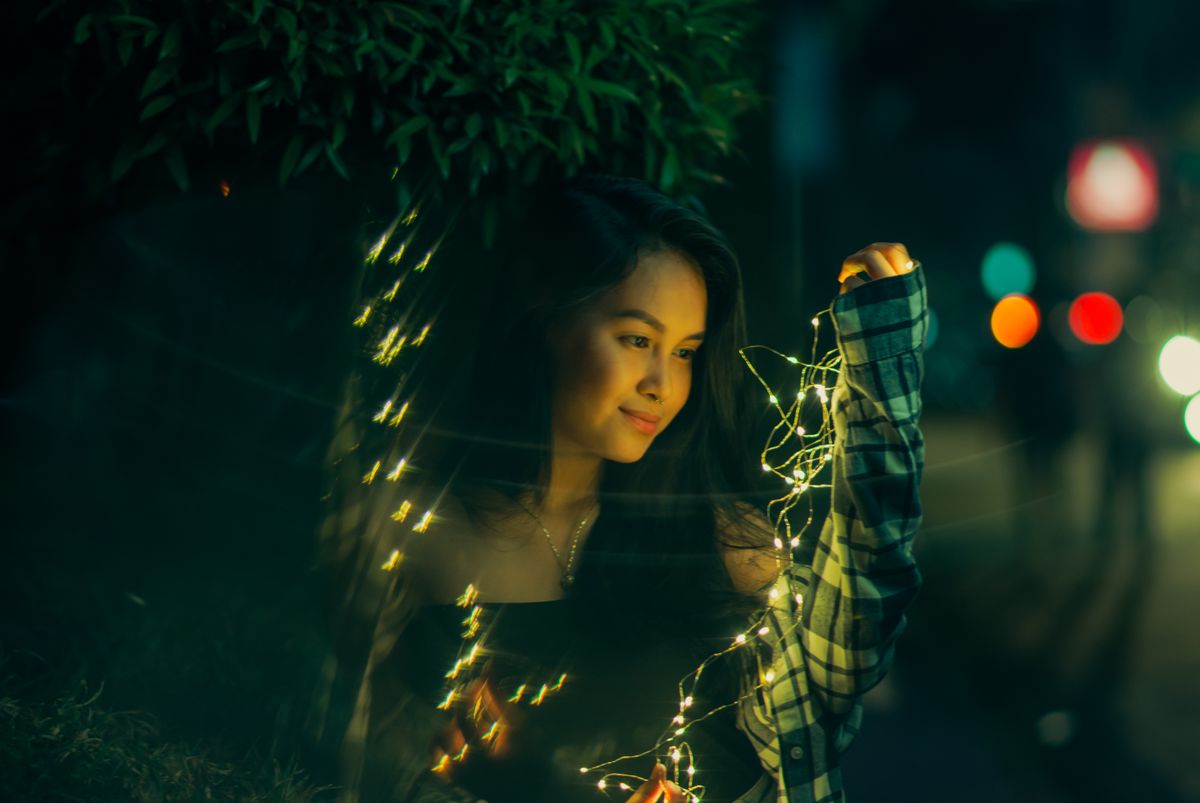
Photo by Myco Libot on Pexels
The effectiveness of a firefly simulation depends entirely on the accuracy of the dusk-to-dawn photocell, which prevents the LEDs from activating during periods of high ambient light. Sunco Lighting specifies that their LED Firefly Garden Lights utilize these sensors to automate the transition, ensuring the lights only sway and glow when the contrast is high enough to mimic biological luminescence. Here's the part nobody talks about: if your garden has significant light pollution from streetlamps or security floods, these sensors often fail to trigger, rendering the "firefly" effect moot. The simulation is further limited by the battery capacity; while a standard AA NiMH battery might power a heavy duty solar string lights for gazebo for eight hours, the constant movement and sensor draw of firefly kits can lead to diminished brightness before midnight. I'll change my mind when manufacturers move away from standard 600mAh batteries to high-density lithium-ion cells as a default for these kinetic displays.
Quick answers
Q: How many LEDs are typically included in a solar firefly kit? A: Most standard kits, such as the Solar Powered Fireflies Kit from Firefly Magic, feature 14 LEDs per unit to provide a dispersed, natural look. This specific count is intended to prevent the "clumped" appearance of traditional string lights.
Q: Do these lights require manual switching every night? A: No, solar outdoor fairy lights equipped with a photocell sensor, like those sold by Sunco Lighting, automatically activate at dusk and deactivate at dawn. This ensures the 1.2V rechargeable battery is only discharging when visual impact is maximized.
Q: Can firefly lights be used in a gazebo setting? A: While possible, they are less effective than a solar twinkle lights for gazebo setup because firefly lights require space to sway. In a confined gazebo, the stems often hit the structure, dampening the natural movement and potentially damaging the LEDs.
Learn more about Solar Outdoor Fairy Lights at https://solyrafairylights.com.
Sources
Photo by Yasin Aydın on Pexels
- Solar Powered Fireflies Kit – 14 LED's (Final Inventory Closeout) - Blue
- Outdoor Solar Garden Firefly Lights (2-Pack) - Nature's Way Bird Products
- Firefly Solar Garden Lights - Pinterest