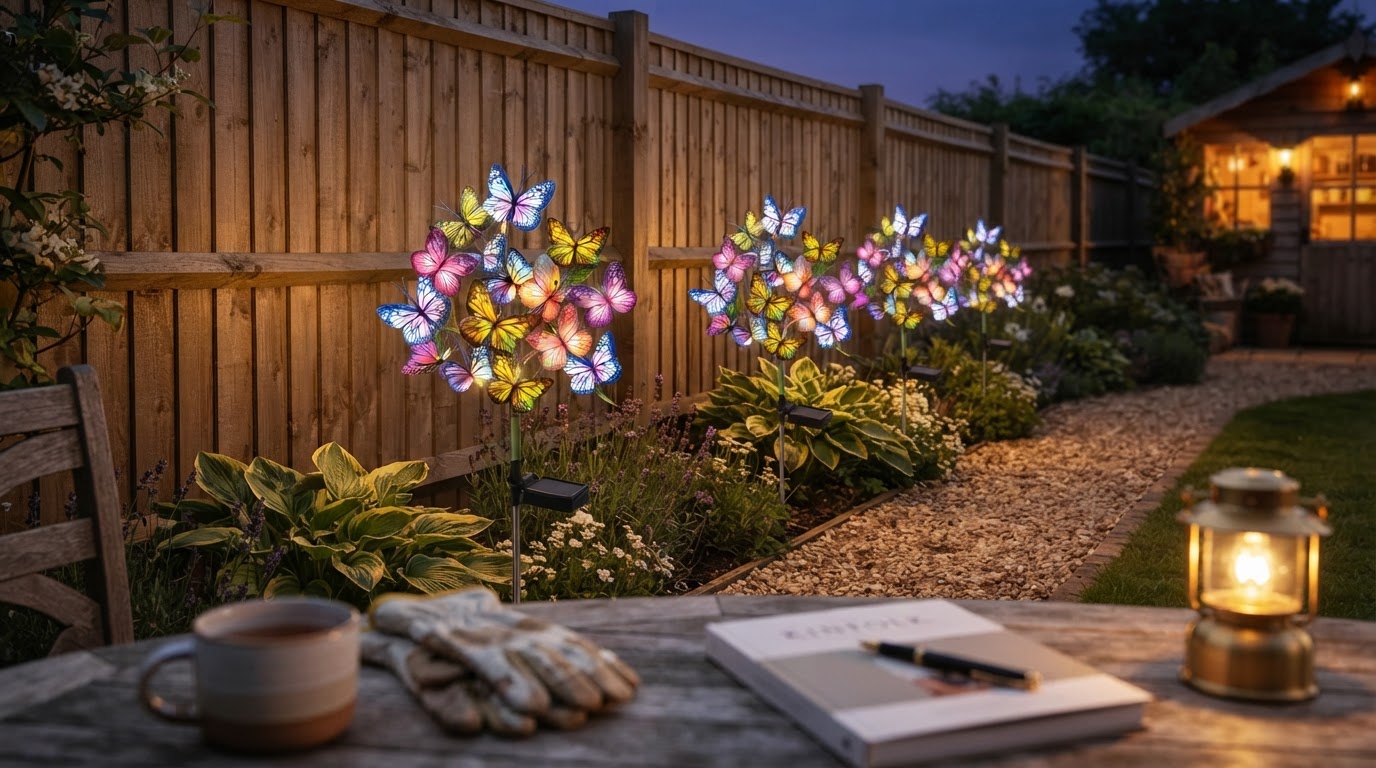
Enhancing Perimeter Security with Solar Outdoor Fairy Lights
 Maya ChenContributing Editor
October 9, 2026. This technical overview examines the functional deployment of Solar Outdoor Fairy Lights along residential boundaries. It is intended for homeowners seeking to balance aesthetic perimeter illumination with long-term hardware durability without the overhead of hardwired electrical systems.
The Failure of Traditional Fence Illumination
The conventional wisdom says that fence lighting requires heavy, wall-mounted sconces or high-voltage spotlights to be effective. However, these solutions often create harsh glare zones and dark shadows that compromise both privacy and safety. According to testing by Bob Vila, many standard solar fence lights, such as the Doeslag Solar Fence Lights, are chosen for their warm glow and classic design, yet they remain localized to a single post. This creates a "spotty" lighting effect that fails to define the full geometry of a property. When homeowners search for solar string lights for patio or fence applications, they are often met with products that lack the necessary ingress protection to survive consistent exposure. The Spruce notes that while motion sensor landscape spotlights are effective for security, they do not provide the continuous ambient perimeter definition required for larger yards. Run the math: a standard 50-foot fence line requires either ten individual post lights—each a potential point of hardware failure—or a singular, high-efficiency string system that maintains a consistent lumen output across the entire span.
Technical Advantages of Solar Outdoor Fairy Lights
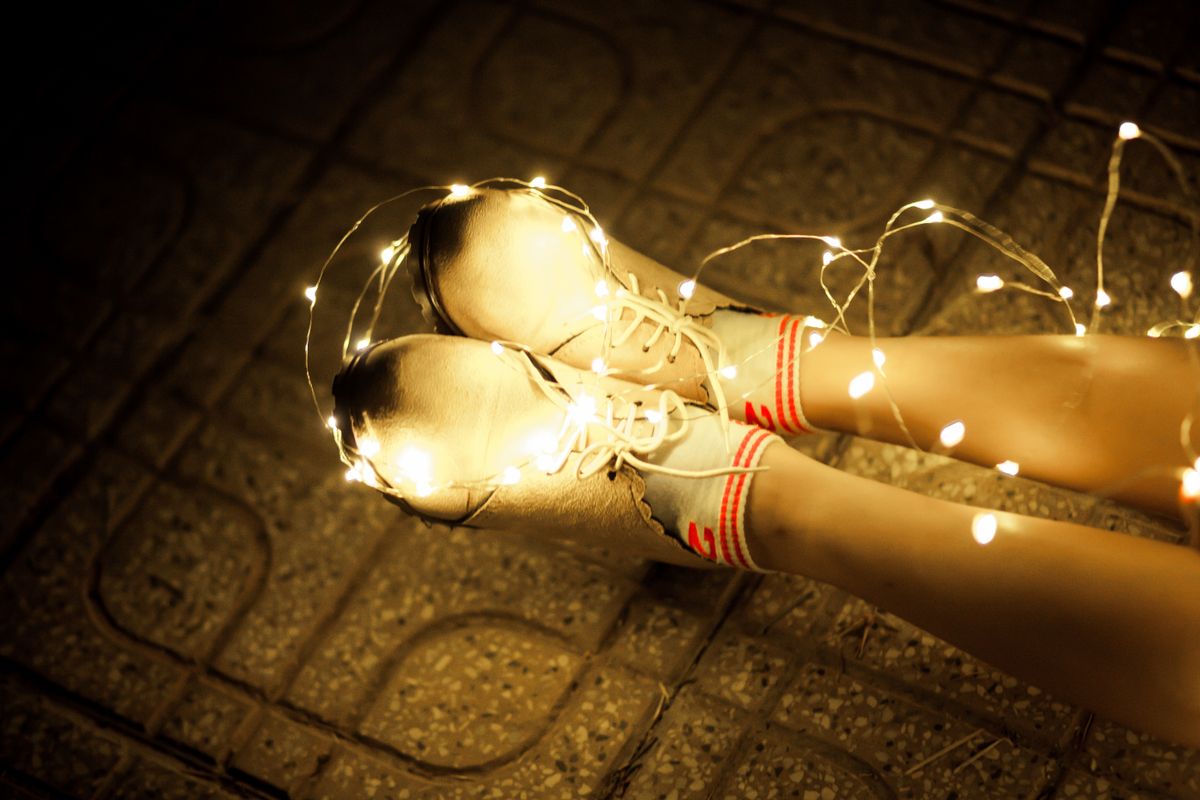
Photo by Hồng Thắng Lê on Pexels
Solar Outdoor Fairy Lights address these systemic failures by distributing low-voltage LED nodes across a flexible copper or silver wire, allowing for a continuous light path that follows the fence rail. Unlike the Brightech Ambience Pro Solar String Lights, which feature a heavier IP55-rated construction suited for overhead suspension, fairy lights offer a lower profile that minimizes wind resistance and mechanical strain on the fence structure. For users prioritizing longevity, waterproof solar garden lights must be evaluated based on their ability to withstand lateral rain and humidity. The integration of high-conversion solar panels allows Solar Outdoor Fairy Lights to operate for 8 to 12 hours on a single charge, provided the panel is positioned away from the shadow cast by the fence itself. This is particularly relevant for those installing waterproof solar string lights for garden environments where foliage might otherwise obstruct the photovoltaic cells. By utilizing multiple modes, including steady-on and soft fade, these systems provide a more adaptable visual boundary than the static, high-intensity output of traditional security lights. Here's the part nobody talks about: the thin-gauge wiring of fairy lights is significantly easier to secure with galvanized staples or clips than the heavy rubberized cabling of commercial-grade strings, reducing the risk of sagging over time.
Deployment Framework for Perimeter Systems
Selecting a lighting system for a boundary requires a move away from purely aesthetic choices toward a durability-first mindset. When evaluating options like the Brightown Solar Fairy Lights, which are frequently cited for their versatility, one must consider the specific environmental stressors of the fence line. A successful installation requires a systematic approach to panel placement and wire tension. I'll change my mind when a wireless post-cap light can match the linear coverage-per-dollar ratio of a high-density fairy light string. Until then, use the following framework to ensure the system remains operational through multiple seasons:
- Verify the IP rating matches the exposure level; IP65 or higher is recommended for fences lacking an overhang.
- Calculate total linear footage and ensure the string length exceeds this by 10% to allow for decorative draping or wrapping.
- Prioritize monocrystalline solar panels over polycrystalline variants for faster charging in partial shade.
- Test the lead wire length to ensure the solar panel can be mounted at the highest point of the fence for maximum sun exposure.
- Assess the wire material; coated copper provides the best balance of conductivity and weather resistance.
- Cross-reference the battery capacity (mAh) against the LED count to ensure the lights won't dim before dawn.
Shop Solar Outdoor Fairy Lights here: https://solyrafairylights.com
Sources
Photo by Gurgenidze G on Pexels
- The Best Solar Fence Lights of 2026, Tested and Reviewed - Bob Vila
- [The 5 Best Solar String Lights Reviewed [2026] - SolarReviews](https://www.solarreviews.com/blog/top-solar-string-lights)
- The 10 Best Outdoor Solar Lights of 2026 The Spruce Has Tested