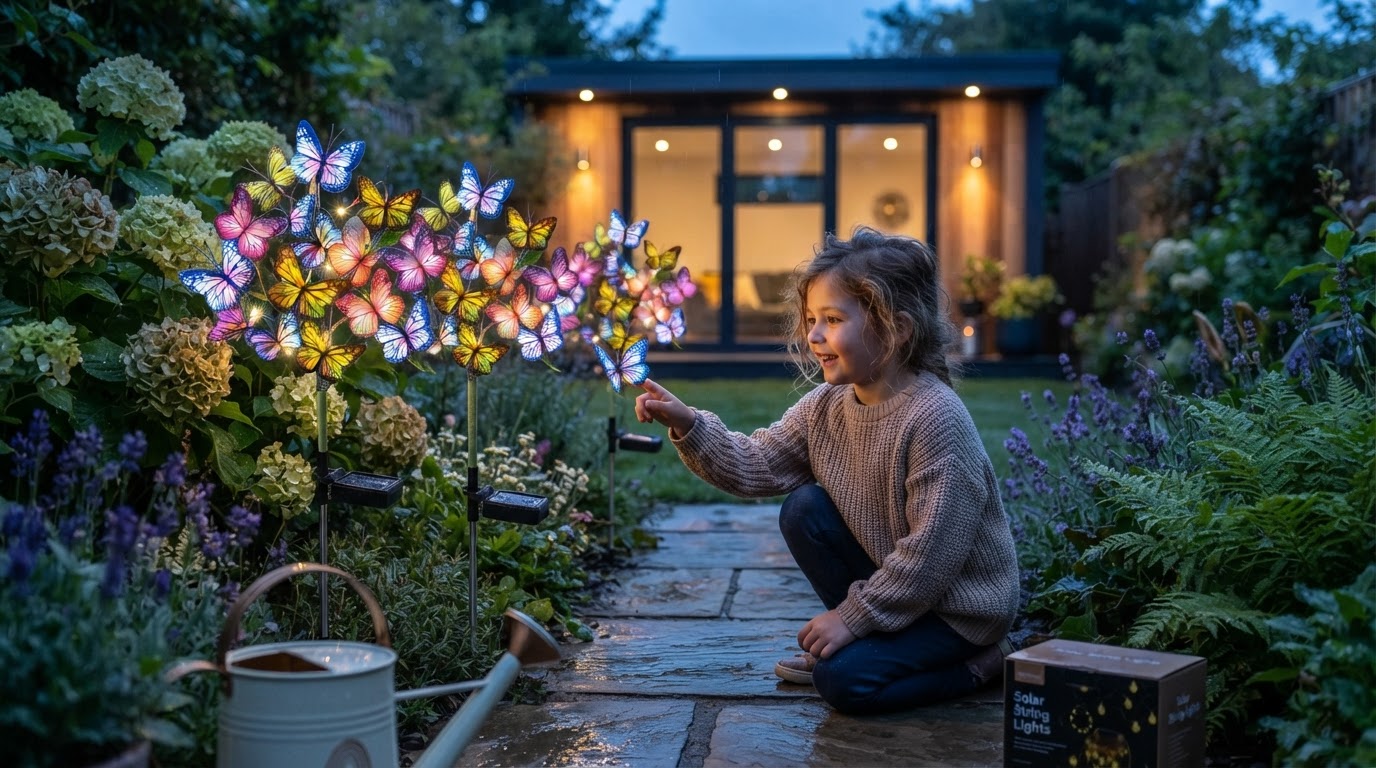
Installing Waterproof Solar Outdoor Fairy Lights for Safety
 Priya RamanSenior Analyst
September 21, 2026. This technical overview examines the critical installation requirements for maintaining the structural integrity of waterproof solar string lights in high-moisture environments. It is designed for homeowners seeking a resilient lighting solution that balances aesthetic appeal with long-term weather resistance.
The Technical Challenge of Outdoor Moisture Ingress
Standard decorative lighting often fails when exposed to the fluctuating humidity and direct precipitation found in residential gardens. The primary vulnerability in these systems lies at the junction points where the wiring meets the LED housing. According to SolarReviews, modern high-performance units like the Brightech Ambience Pro utilize weatherproof seals to mitigate these risks, yet even the most advanced systems require a strategic approach to placement. Think of it as a matrix of environmental exposure versus hardware ratings. Two axes matter here: the physical IP (Ingress Protection) rating of the light string and the micro-climate of the installation site. A light rated for rain may still fail if submerged in a low-lying garden bed during a storm.
When planning a layout, one must account for the specific demands of the terrain. For instance, solar outdoor fairy lights used in tree canopies face different stressors—such as wind-induced friction and branch movement—compared to lights draped along a fence. The chemical composition of the wiring also plays a role. While solar copper wire lights outdoor offer high flexibility for intricate designs, the thinness of the wire necessitates a higher standard of insulation to prevent oxidization. In coastal environments, salt air acts as a catalyst for corrosion, making the waterproof rating not just a convenience, but a structural necessity for the electrical circuit's lifespan.
Optimizing Solar Outdoor Fairy Lights Performance
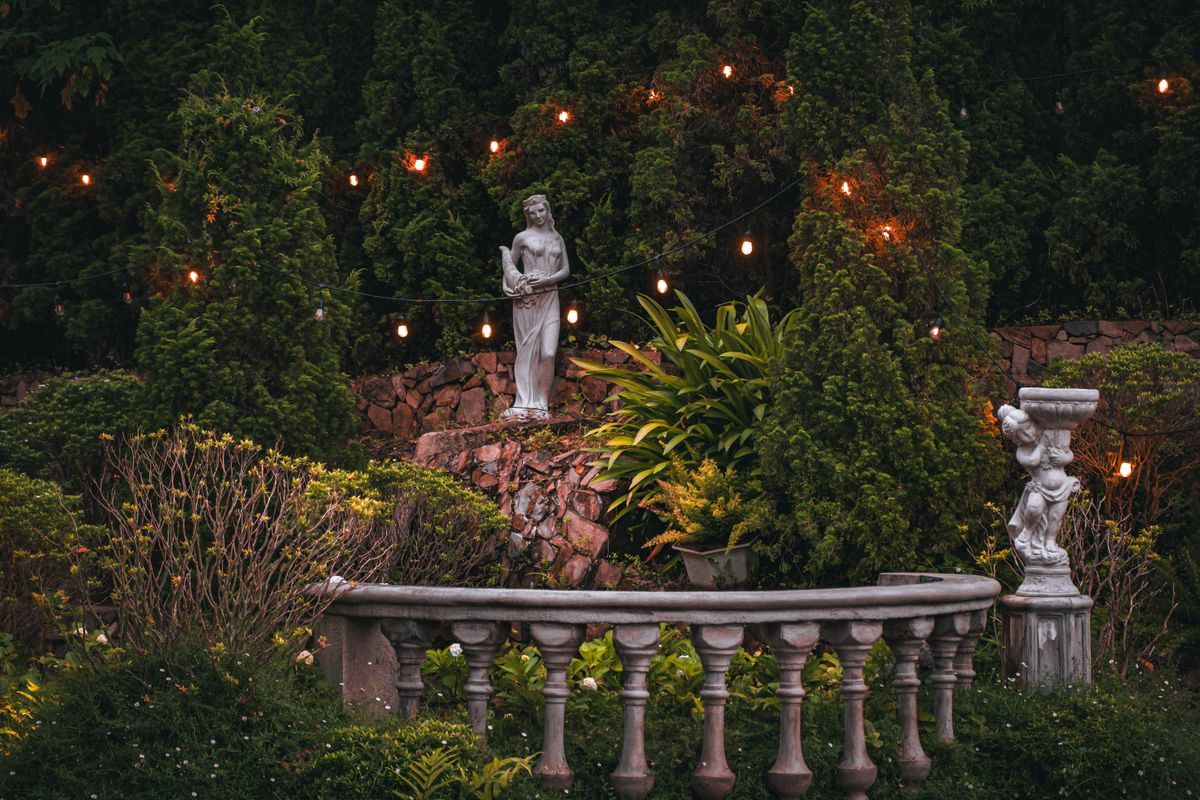
To ensure the longevity of Solar Outdoor Fairy Lights, the installation must prioritize the efficiency of the photovoltaic (PV) collector. The internal circuitry depends on a consistent charge to maintain the battery's health, particularly during colder months when daylight hours are reduced. Research into solar patio lights decorative indicates that the angle of the solar panel should be adjusted seasonally to capture maximum irradiance. If the panel is shaded for more than four hours during peak sun, the resulting undercharge can lead to deep discharge cycles, which permanently degrade the battery capacity.
Beyond the power source, the aesthetic integration of the lights requires a focus on light temperature and diffusion. Many consumers prefer warm white solar fairy lights because they mimic the 2700K color temperature of traditional incandescent bulbs without the associated energy costs. For larger installations, such as 100ft runs, external sources like Minetom Patio Lights demonstrate that remote-controlled dimming functions can help manage power consumption, allowing the user to lower brightness on overcast days to preserve battery life. Once you see it this way, the installation becomes less about hanging a string of bulbs and more about managing a self-contained energy ecosystem. The goal is to create a balance where the energy harvested during the day exceeds the energy consumed at night, even when the waterproof seals are tested by heavy rainfall.
A Decision Framework for Durable Installations
Photo by Myco Libot on Pexels
The decision rule: prioritize the Ingress Protection (IP) rating first, then the battery capacity, and finally the aesthetic wire type. A high-lumen output is useless if the internal driver is compromised by water within the first season. When selecting your equipment, use the following checklist to ensure the system is capable of withstanding the specific environmental pressures of your backyard or balcony.
- Verify the IP rating is at least IP65 for areas exposed to direct rain or irrigation spray.
- Ensure the solar panel includes a detachable stake or mounting bracket for precise orientation toward the southern sky.
- Check that the LED housings are shatterproof, particularly for solar rope lights outdoor applications where the lights may contact hard surfaces.
- Match the wire gauge to the length of the run to prevent voltage drop in strings exceeding 50 feet.
- Select a battery chemistry, such as Lithium-ion or NiMH, that is rated for your local temperature extremes.
- Confirm that the connectors between the panel and the first LED are sealed with a threaded O-ring gasket.
Shop Solar Outdoor Fairy Lights here