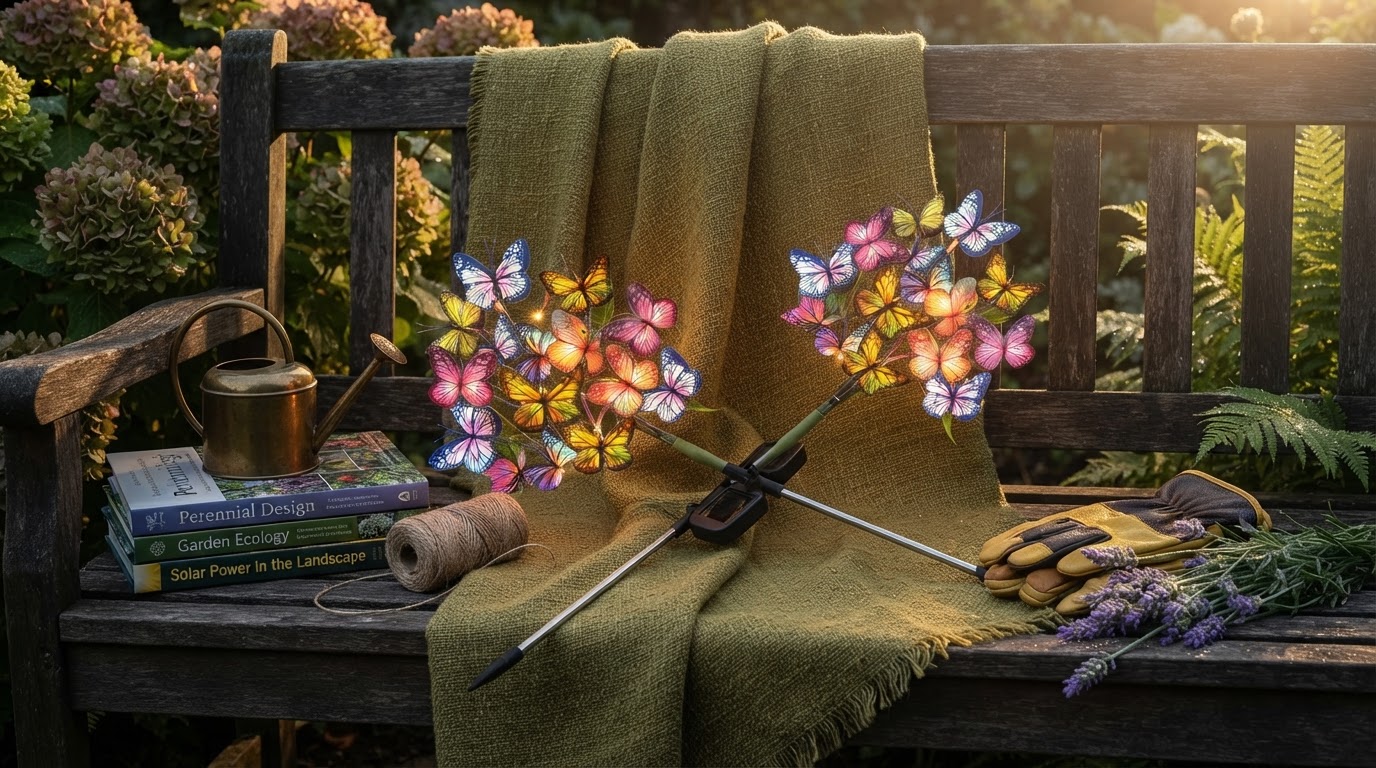
Solar Outdoor Fairy Lights for High-Moisture Environments
 Priya RamanSenior Analyst
September 16, 2026. This analysis explores the technical requirements for deploying heavy-duty solar illumination in permanent outdoor installations. It is written for property owners who require lighting solutions capable of withstanding consistent exposure to rain, snow, and humidity without electrical failure.
The Engineering Challenge of Outdoor Exposure
When selecting decorative lighting for permanent external use, two axes matter here: mechanical durability and electrical insulation. Standard decorative lights often fail due to water ingress, where moisture penetrates the wire insulation or the LED housing, leading to oxidation and circuit failure. According to the International Electrotechnical Commission (IEC), the Ingress Protection (IP) rating system provides the standard for determining how well a device prevents solids and liquids from reaching sensitive internal components. For heavy-duty applications, a rating of at least IP65 is necessary to ensure the product is protected against water jets from any angle. In high-exposure areas like open lawns or rooflines, using [waterproof solar garden lights](/blog/waterproof-solar-garden-lights) requires a focus on the structural integrity of the solar panel casing and the flexibility of the copper wiring under thermal expansion.
Think of it as a matrix of environmental stress versus hardware resilience. Most consumer-grade lights are designed for seasonal use, but heavy-duty systems must account for UV degradation of the plastic coating and the corrosion resistance of the battery terminals. When lighting is integrated into structures, such as solar curtain lights for gazebo setups, the tension on the wires becomes a secondary failure point. Without reinforced cabling, the weight of accumulated ice or heavy rain can snap the thin filaments typical of standard fairy lights. Once you see it this way, the distinction between decorative novelty and architectural-grade lighting becomes clear.
Resilience Features of Solar Outdoor Fairy Lights
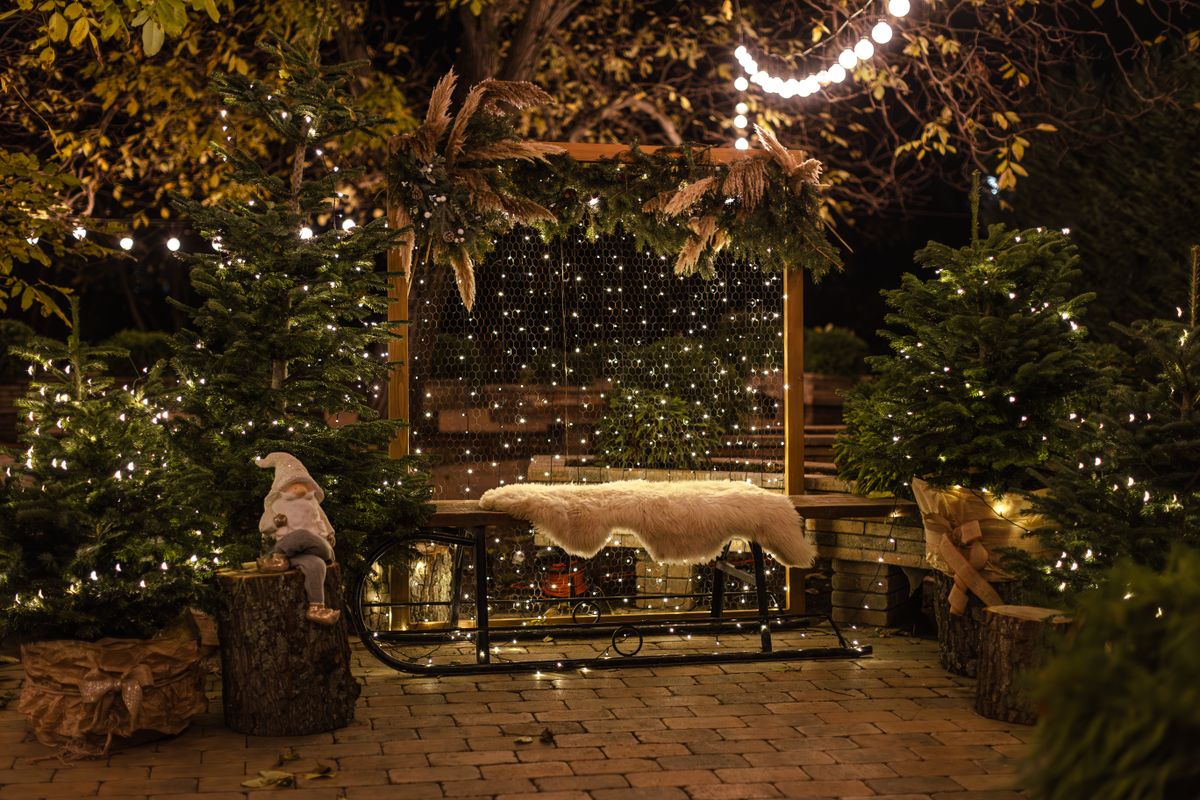
Photo by Radu Daniel ( MRD ) on Pexels
Solar Outdoor Fairy Lights are engineered to address the specific vulnerabilities of solar-powered systems in damp climates. The primary vulnerability in solar technology is not the light-emitting diode itself, but the battery housing and the connection points between the panel and the string. These units utilize high-efficiency monocrystalline panels sealed with industrial-grade resins to prevent delamination. This is particularly vital for solar fairy lights for gazebo applications where the panel may be mounted in a position that collects runoff water. By utilizing a sealed housing, the internal lithium-ion batteries remain dry, maintaining their charge-discharge cycle efficiency even during prolonged periods of high humidity.
Furthermore, the wiring in Solar Outdoor Fairy Lights is typically constructed with multi-strand copper cores protected by a thick, weather-resistant PVC or rubberized coating. This prevents the "wicking" effect, where moisture travels through the wire into the electronics. This level of protection is a baseline for [waterproof solar string lights outdoor](/blog/waterproof-solar-string-lights-outdoor) configurations that are intended to remain in place through all four seasons. The integration of dusk-to-dawn sensors within a waterproofed housing ensures that the automated switching mechanism does not short-circuit, a common issue in lower-tier products found in general search queries for solar string lights for patio. By prioritizing the seal at the entry point of the wire to the solar controller, these lights maintain operational longevity in environments that would typically cause standard electronics to fail within a single season.
Selecting a Heavy Duty Lighting System
Photo by Doğan Furkan Yeşilırmak on Pexels
The decision rule: prioritize the ingress protection rating and wire gauge over the total number of bulbs. In a heavy-duty context, a shorter string of highly resilient lights provides more value than a long string of fragile ones. When evaluating options for your landscape, consider how the lights will interact with the physical environment. Lights wrapped tightly around tree trunks require more wire flexibility than those draped over a static fence. The following checklist provides a framework for selecting a system that will survive harsh conditions:
- Verify an IP65 or higher rating for both the lights and the solar controller.
- Check for reinforced wire junctions where the string meets the power source.
- Ensure the solar panel uses tempered glass or high-grade resin rather than thin plastic.
- Confirm the battery is replaceable to extend the total lifecycle of the unit.
- Look for UV-resistant coatings to prevent the wire from becoming brittle in the sun.
Shop Solar Outdoor Fairy Lights here