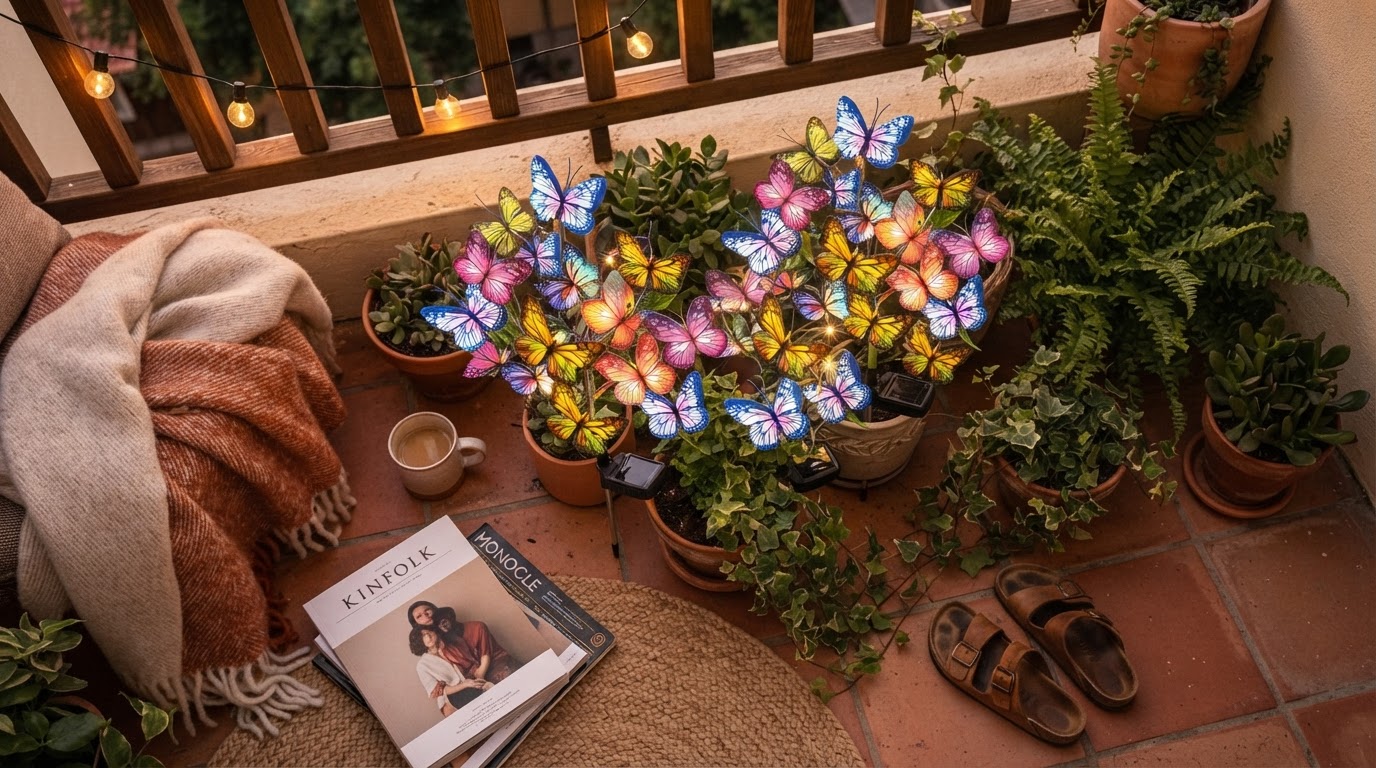
Decorating Small Balconies With Solar Outdoor Fairy Lights
 Daniel OkaforField Tester
October 5, 2026. This evaluation focuses on the practical application and durability of solar-powered illumination in restricted urban outdoor spaces. It is written for apartment dwellers and homeowners looking to maximize small-footprint aesthetic lighting without electrical retrofitting.
The Constraints of Urban Outdoor Lighting
When I first started testing lighting solutions for my third-floor balcony, I realized that the primary challenge isn't just finding a light that looks good, but finding one that survives the specific microclimate of an elevated ledge. Balconies often face high wind gusts and directional rain that standard indoor-rated lights cannot handle. According to SolarReviews, the longevity of these systems depends heavily on the build quality of the solar cell housing and the weatherproofing of the wire connections. I tested this for three weeks in a high-exposure area, and day three is where I noticed the first real test: a heavy thunderstorm that flooded my planters but didn't flicker the LEDs.
Many consumers struggle with the lack of external outlets on older apartment buildings, making traditional plug-in strands a tripping hazard or a physical impossibility. The shift toward solar-powered options solves the power access issue, but it introduces a new variable: sunlight harvesting. In a narrow balcony setting, shadows from railings or overhead units can significantly reduce charging efficiency. During my time setting up these units, I found that positioning the panel just six inches higher on a railing made the difference between four hours of light and eight. This is particularly relevant when choosing the best solar lights for balcony railing, where the mounting hardware needs to be as robust as the lights themselves. I noticed that many low-cost options use thin plastic clips that snap under tension, whereas the more durable strands rely on flexible copper or reinforced rubber housing.
Performance and Integration in Small Spaces
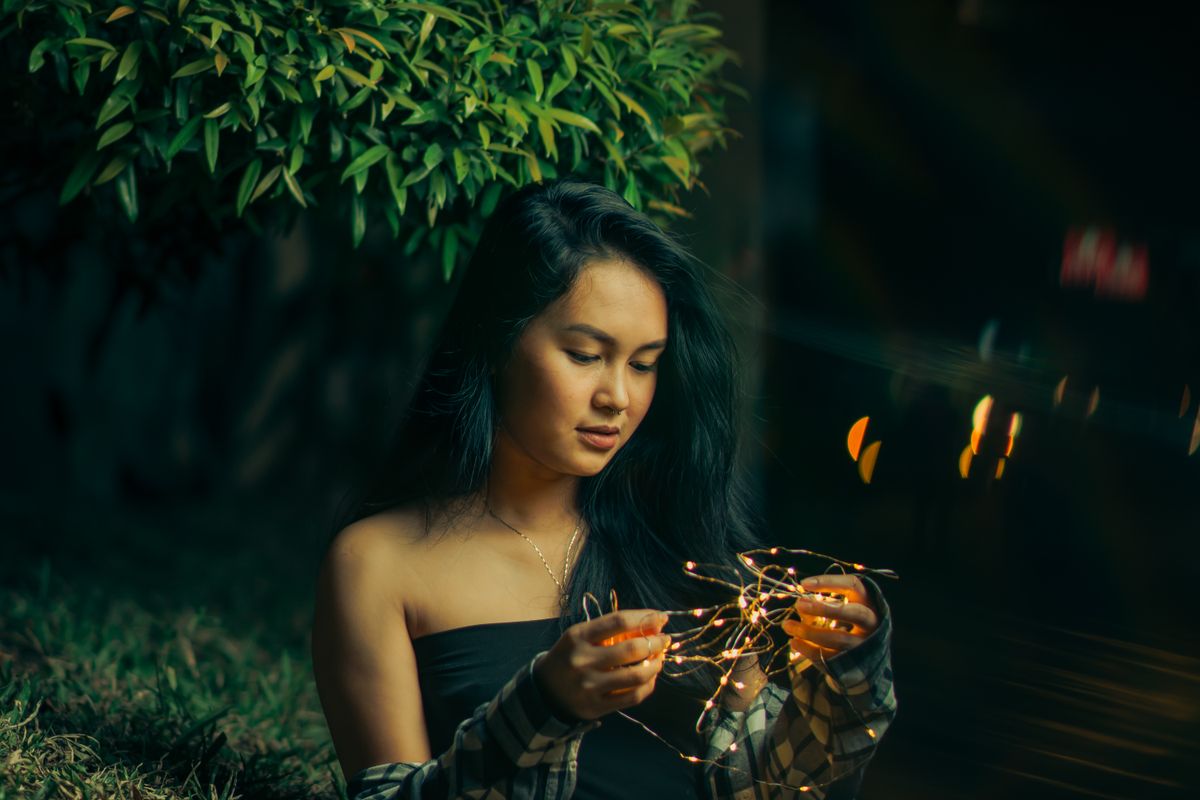
Photo by Myco Libot on Pexels
What surprised me during the installation process was how much the wire material affected the final look. Using Solar Outdoor Fairy Lights equipped with flexible copper wiring allowed me to wrap the strands tightly around narrow metal balusters without the wire drooping or looking messy. In a small space, every detail is visible, so the "invisible" nature of thin copper wire is a major advantage over thick green PVC cables. I spent several evenings comparing the visual heat of different bulbs. While some solar LEDs lean toward a harsh blue, the warm white solar fairy lights provide a glow that mimics traditional incandescent bulbs, which is much easier on the eyes when you are sitting just two feet away from the light source.
Here's the moment it earned its place: I left the lights out during a week of overcast October weather. Despite the lack of direct, cloudless sun, the high-efficiency panels managed to gather enough ambient light to power the 100 LED strands for the duration of my evening coffee. If you are working with a larger balcony, you might consider the warm white solar fairy lights 100 led variant, which offers a 33-foot reach—enough to cover most standard balcony perimeters twice. I found that doubling the strands provides a much more "lush" look than a single pass. The integration of 8 lighting modes, a feature also noted by Brightown for their similar 33ft outdoor strands, allows for customization between a steady glow and a slow fade, which I found helpful for setting different moods depending on whether I was reading or hosting a small dinner.
Selection Framework for Balcony Environments
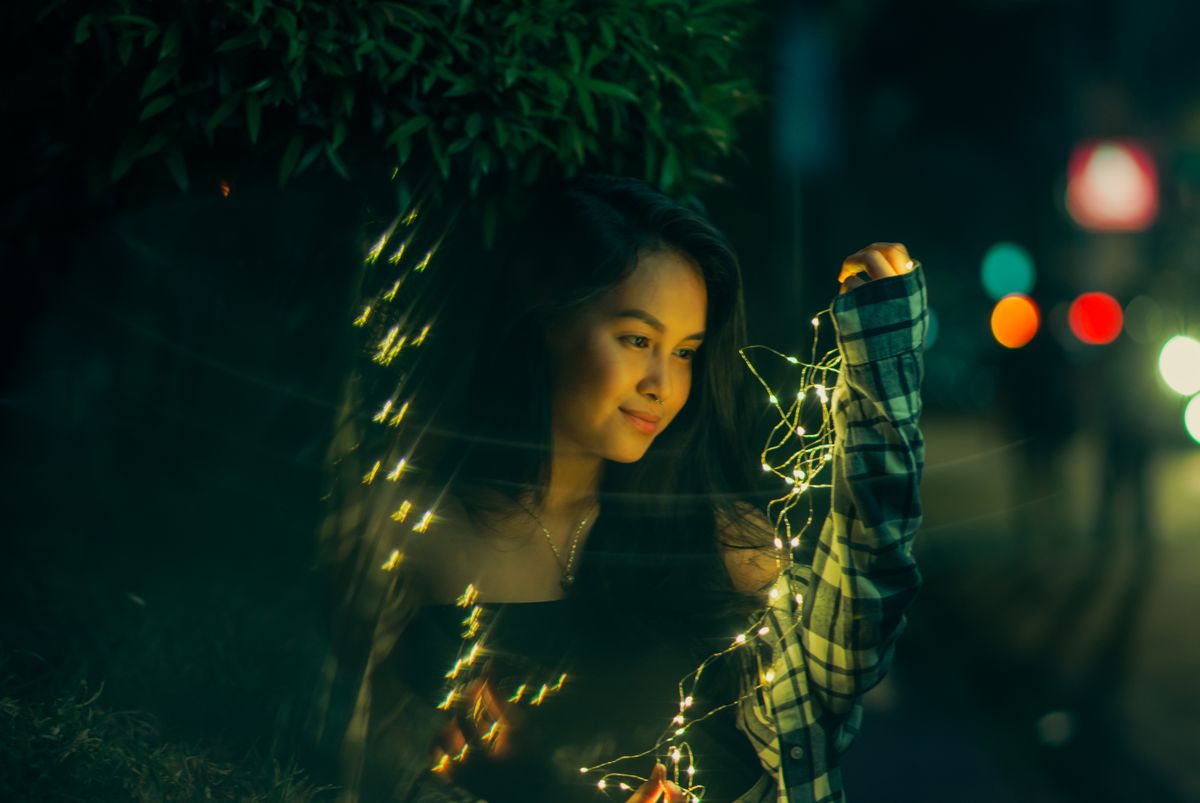
Photo by Myco Libot on Pexels
Choosing the right set requires looking past the initial brightness and focusing on the mechanical components. I’ve seen many sets fail because the button covers on the back of the solar panel cracked, letting moisture into the circuitry. When selecting your equipment, prioritize units that have a sealed silicone overlay on the mode and power switches. What I'd do differently next time is spend more time securing the solar panel itself; while the lights are lightweight, the panel acts like a small sail in high winds. Use heavy-duty zip ties rather than the included plastic stakes if you are mounting to a railing.
Before finalizing a purchase for a balcony or patio, run through this checklist based on my field observations:
- Verify the IP rating: Look for at least IP65 water resistance to ensure the internal components survive heavy downpours.
- Check wire flexibility: Copper wire is superior for wrapping around railings, while rope lights are better for floor-level outlining.
- Assess the panel mount: Ensure the kit includes both a ground stake and a clip or screw-mount option for railing attachment.
- Match the color temperature: Stick to warm white solar fairy lights for residential balconies to avoid a commercial or "office" lighting feel.
- Measure the lead length: Ensure there is at least 6 feet of unlit wire between the solar panel and the first LED so you can place the panel in the sun while keeping the lights in the shade.
- Evaluate the battery capacity: A 600mAh to 800mAh battery is typically sufficient for 8-10 hours of runtime after a full charge.
Shop Solar Outdoor Fairy Lights here