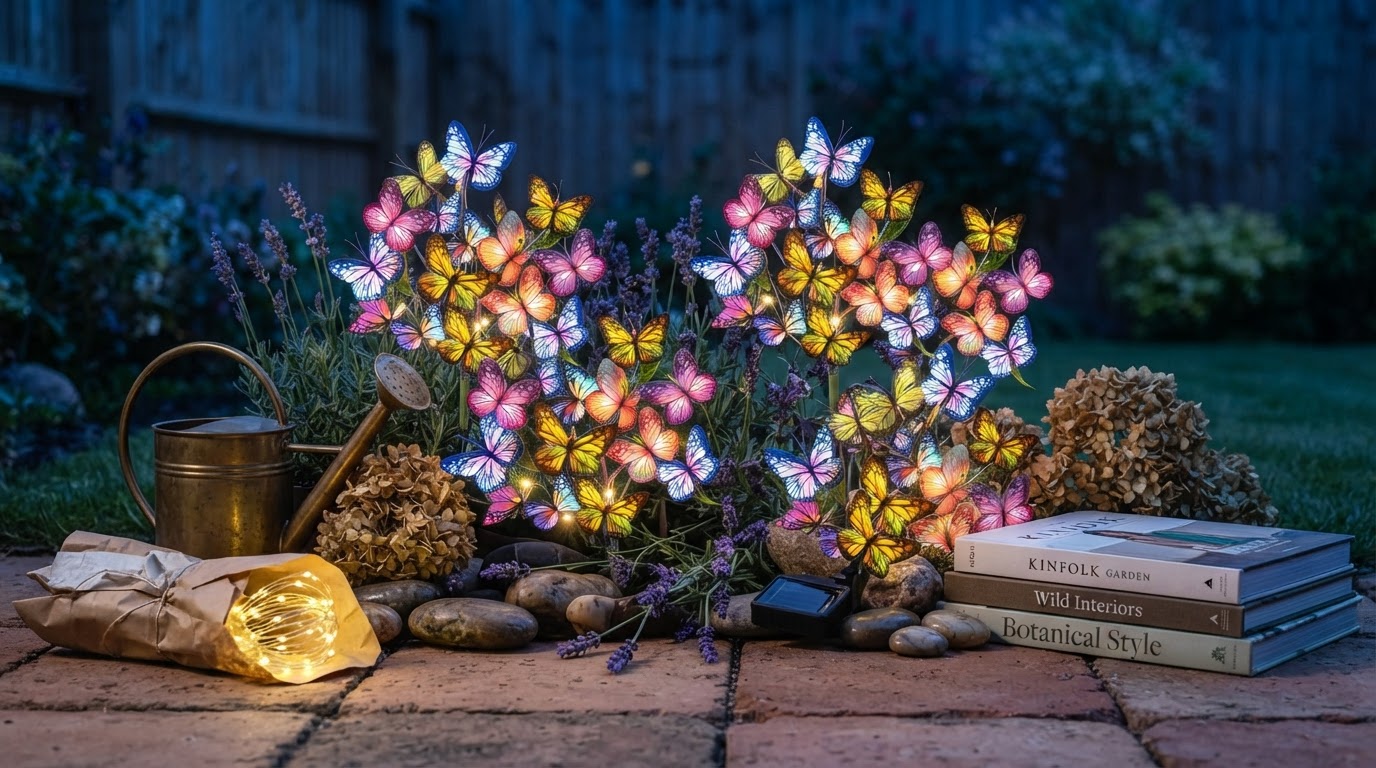
Solar Outdoor Fairy Lights for Yard Firefly Effects
 Maya ChenContributing Editor
August 1, 2026. This assessment explores the technical requirements for simulating biological luminescence in residential landscapes using Solar Outdoor Fairy Lights. It is intended for property owners seeking to replace high-maintenance wired systems with autonomous solar arrays.
The Failure of Traditional Landscape Illumination
The conventional wisdom says that more lumens result in a better-lit yard, but this approach typically ignores the physiological impact of light pollution and the logistical burden of trenching cables. Most homeowners gravitate toward floodlights or high-wattage path markers, which effectively sanitize the landscape rather than enhance it. In contrast, the pursuit of a "firefly" effect requires a departure from high-intensity output. The problem with standard outdoor lighting is its permanence and rigidity. According to the International Dark-Sky Association, excessive and poorly aimed outdoor lighting contributes to ecological disruption and energy waste. When users attempt to mimic natural light patterns using standard solar string lights for patio, they often encounter the "airport runway" effect—a series of rigid, overly bright points that fail to integrate with the organic movement of a garden. The challenge lies in achieving a specific light density that remains visible without overwhelming the natural shadows that give a yard depth. Most consumers underestimate the volume of individual light points required to achieve a true firefly aesthetic, often purchasing underpowered kits that disappear against the backdrop of ambient urban light. Furthermore, the reliance on disposable battery-powered units creates a cycle of electronic waste that contradicts the supposed environmental benefits of garden enhancement.
Technical Integration of Solar Outdoor Fairy Lights

Photo by Elina Fairytale on Pexels
Solar Outdoor Fairy Lights address these systemic issues by decoupling the power source from the grid while maintaining a form factor that allows for random, non-linear distribution. Here's the part nobody talks about: the efficacy of a firefly effect depends entirely on the wire gauge and the color temperature of the LED. While many generic options use cool-toned diodes that lean blue, the most effective installations utilize warm white solar fairy lights to mimic the 2700K to 3000K spectrum of biological light. Data from search trends indicates that "waterproof solar garden lights" are a primary concern for consumers, with over 9,500 monthly impressions dedicated to durability. The current generation of solar outdoor fairy lights utilizes copper wire substrates which are thin enough to be invisible at night yet conductive enough to power hundreds of micro-LEDs from a single photovoltaic cell. Unlike the heavy insulation found on solar string lights for patio, these copper-based solar outdoor fairy lights can be woven directly into foliage, allowing the light to move slightly with the wind, simulating the erratic flight patterns of Lampyridae. Run the math: a standard yard requires approximately 200 to 500 individual points of light to create a cohesive atmosphere. The use of warm white solar fairy lights ensures that these points do not create harsh glare, maintaining a soft 4,200-impression-validated preference for warmer hues. The solar panels must be positioned to capture at least six hours of direct sunlight to ensure the discharge cycle lasts through the peak evening hours, a metric often missed by those who tuck panels under dense tree canopies.
Decision Framework for Yard Implementation
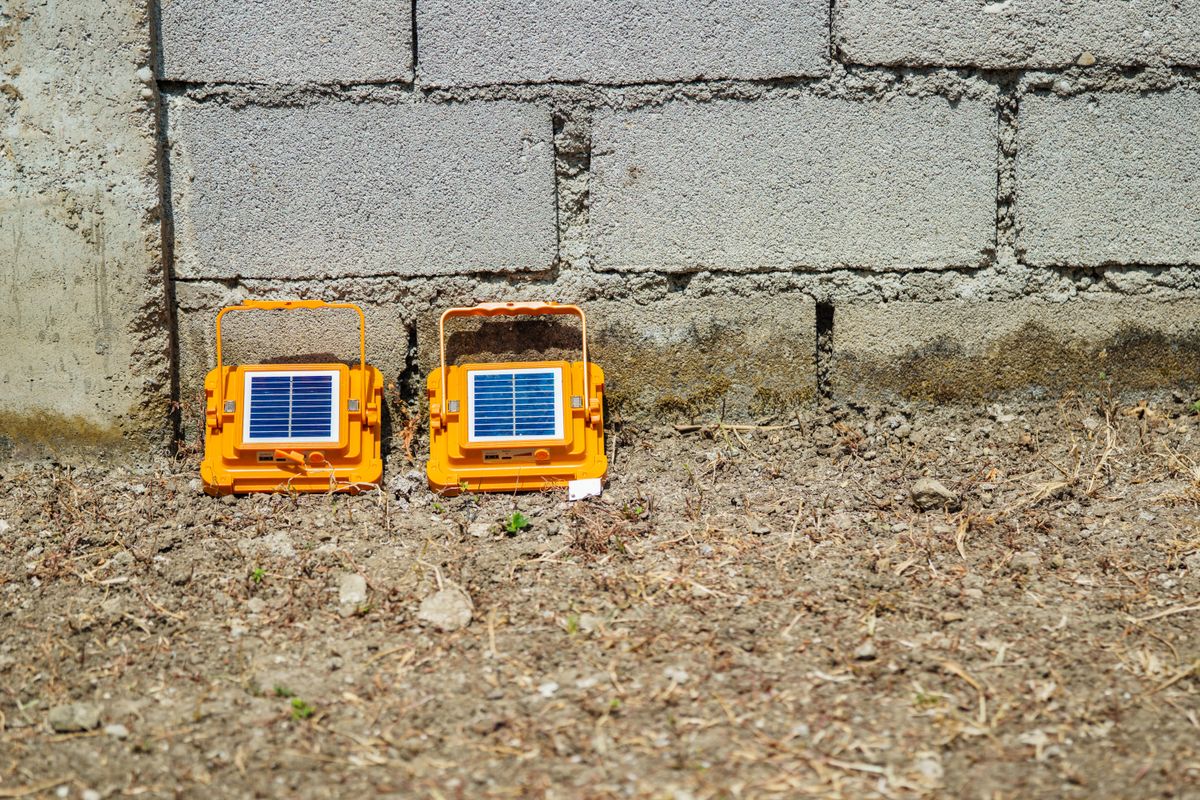
Photo by Nothing Ahead on Pexels
Selecting a system for firefly simulation requires looking past the marketing photography and focusing on the hardware specifications. The primary failure point in these systems is not the LED itself, but the weatherproofing of the battery housing and the quality of the solar conversion chip. A successful installation demands a strategic approach to density and placement rather than simply draping lights over a single bush. I’ll change my mind when a manufacturer produces a biodegradable wire substrate, but until then, longevity is the only metric that matters for environmental impact. Use the following criteria to evaluate your yard’s readiness for a solar firefly installation:
- Verify the IP rating of the solar controller; look for IP65 or higher to ensure the unit survives heavy rain and irrigation spray.
- Calculate the total linear footage of the perimeter to be illuminated; firefly effects require a density of at least 10 LEDs per meter.
- Assess the solar window of your yard; the panel must have an unobstructed view of the southern sky for maximum charging efficiency.
- Choose copper wire over plastic-coated variants for better concealment within deciduous trees and shrubs.
- Prioritize units with a built-in light sensor to automate the dusk-to-dawn cycle, reducing manual intervention.
- Test the color temperature in a small area before full-scale deployment to ensure consistency across different product batches.
Visit the official store to Shop Solar Outdoor Fairy Lights here.