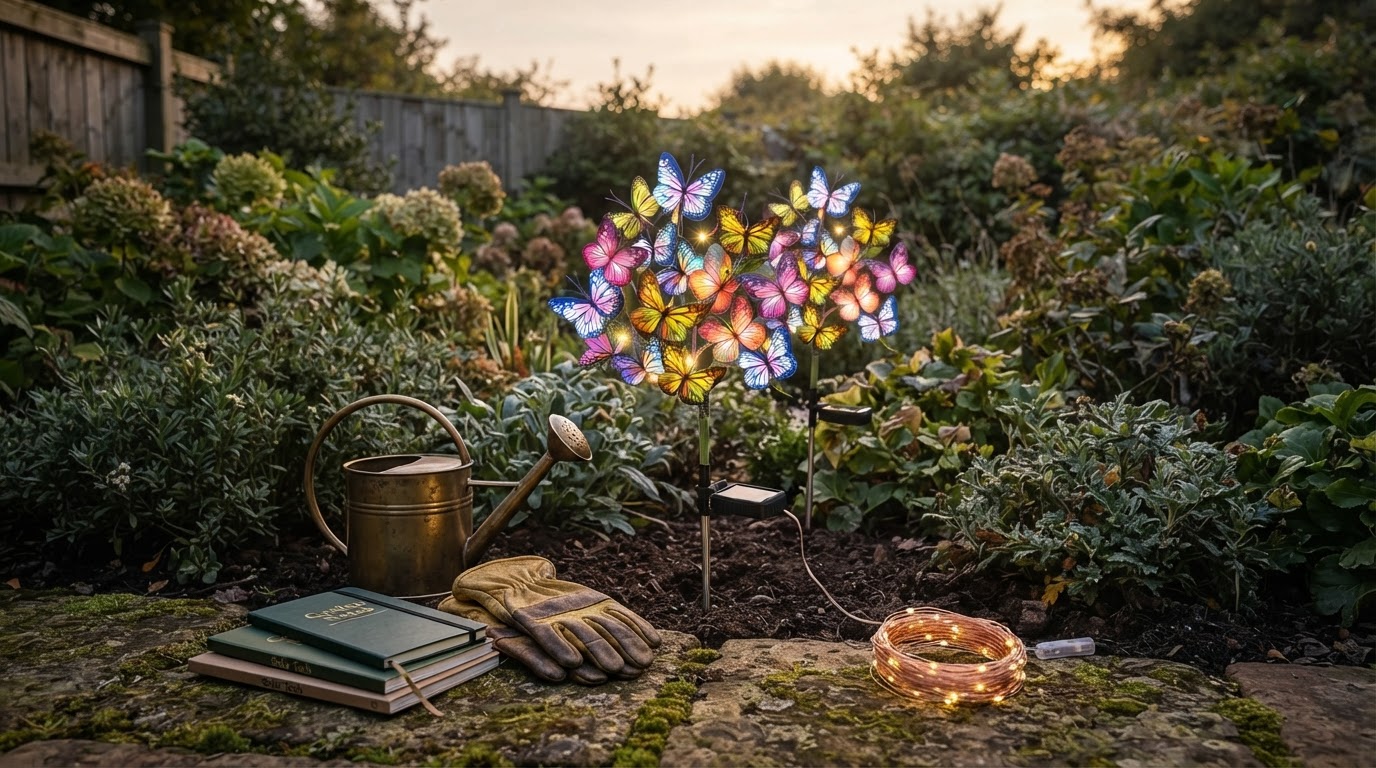
Solar Outdoor Fairy Lights for Year-Round Garden Durability
 Priya RamanSenior Analyst
October 21, 2026. This technical overview examines the durability requirements for waterproof solar string lights for garden environments. It is designed for homeowners and landscape designers seeking reliable illumination that survives seasonal shifts without manual maintenance.
Selecting garden lighting requires navigating a matrix of environmental exposure and electrical integrity. Think of it as a matrix of moisture resistance and energy efficiency. Two axes matter here: the Ingress Protection (IP) rating of the hardware and the conversion efficiency of the photovoltaic panel. While many consumers focus on the aesthetic glow of warm white LEDs, the structural survival of the unit in high-humidity or rain-prone areas is the primary driver of long-term value. According to SolarReviews, top-performing units like the Brightech Ambience Pro utilize weatherproof construction to ensure functionality even during inclement weather, though many standard models typically provide 5-6 hours of illumination on a full charge. This baseline is critical for those managing large garden plots where replacing failed units is labor-intensive. When planning a layout, it is essential to distinguish between decorative accents and functional waterproof solar garden lights that must illuminate pathways or hazards. The failure point in most garden systems is not the LED itself but the degradation of the seals protecting the battery compartment from soil moisture and rain.
Photo by Sergio Zhukov on Pexels
Solar Outdoor Fairy Lights address these specific environmental challenges through a specialized design architecture. By utilizing high-density nylon or plated steel housings, these systems mitigate the corrosion common in coastal or damp garden settings. The integration of solar outdoor fairy lights into a garden landscape allows for a "set and forget" installation, provided the solar panel is positioned to maximize UV absorption. In high-traffic areas like entryways, Hometown Evolution Inc notes that sets often include 8-inch garden spikes to secure the panel, ensuring that heavy duty solar string lights for gazebo or patio applications remain stable during wind events. The technical advantage of the Solyra systems lies in their ability to maintain a 8-12 hour working time after a standard 6-8 hour charge cycle, a metric supported by the performance of crystal globe variants described in recent industry reviews. This reliability is particularly important when lighting trees or balconies, where manual battery changes are impractical. Once you see it this way, the distinction between cheap seasonal novelties and professional-grade solar string lights becomes clear: it is a matter of thermal management and housing integrity. For those looking for specific visual demonstrations, the Woohaha LED Outdoor String review on YouTube highlights how warm white vs. cool white LEDs perform in real-world garden depths.
The decision rule for implementing these systems depends on the specific microclimate of the garden and the intended mounting height. For example, lights placed near ground-level vegetation require higher moisture resistance than those suspended in a well-ventilated gazebo. When evaluating your space, use the following framework to ensure the hardware matches the environment:
- Verify the IP rating specifically for the battery housing and the wire-to-bulb connection points.
- Assess the solar panel surface area relative to the number of LED bulbs to ensure sufficient amperage for overnight operation.
- Select wire materials based on tensile strength; nylon-wrapped wires offer better resistance to squirrel damage and wind strain in tree installations.
- Confirm the inclusion of a ground spike or mounting bracket that allows for at least a 45-degree tilt to optimize solar gain.
- Check for automatic dusk-to-dawn sensors to eliminate the need for manual switches or external timers.
Shop Solar Outdoor Fairy Lights here.