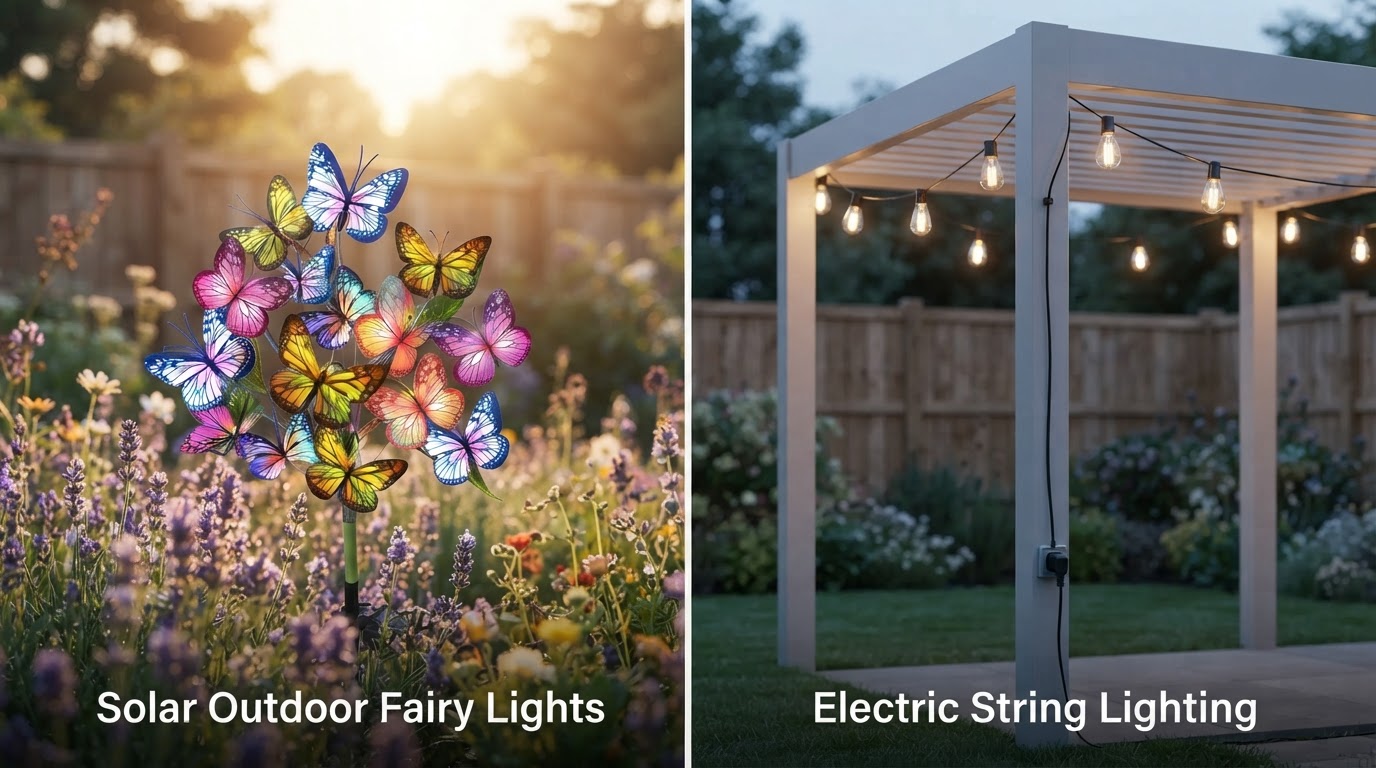
Solar Outdoor Fairy Lights vs Electric String Lighting
 Sam VasquezBuying Guide Lead
August 25, 2026 — Recent shifts in residential landscaping show a marked preference for autonomous lighting systems, specifically Solar Outdoor Fairy Lights, as homeowners move away from the constraints of exterior power outlets.
I have spent years testing how different illumination sources handle the realities of backyard exposure. According to data from the International Dark-Sky Association, the move toward targeted, low-intensity outdoor lighting helps mitigate light pollution while providing necessary safety for walkways. When I look at the current market, the choice usually comes down to the reliability of a hardwired connection versus the sheer flexibility of solar-powered units. For most people decorating a rental balcony or a remote garden corner, the logistics of running extension cords across a lawn are simply not worth the effort.
The Efficiency Comparison Framework
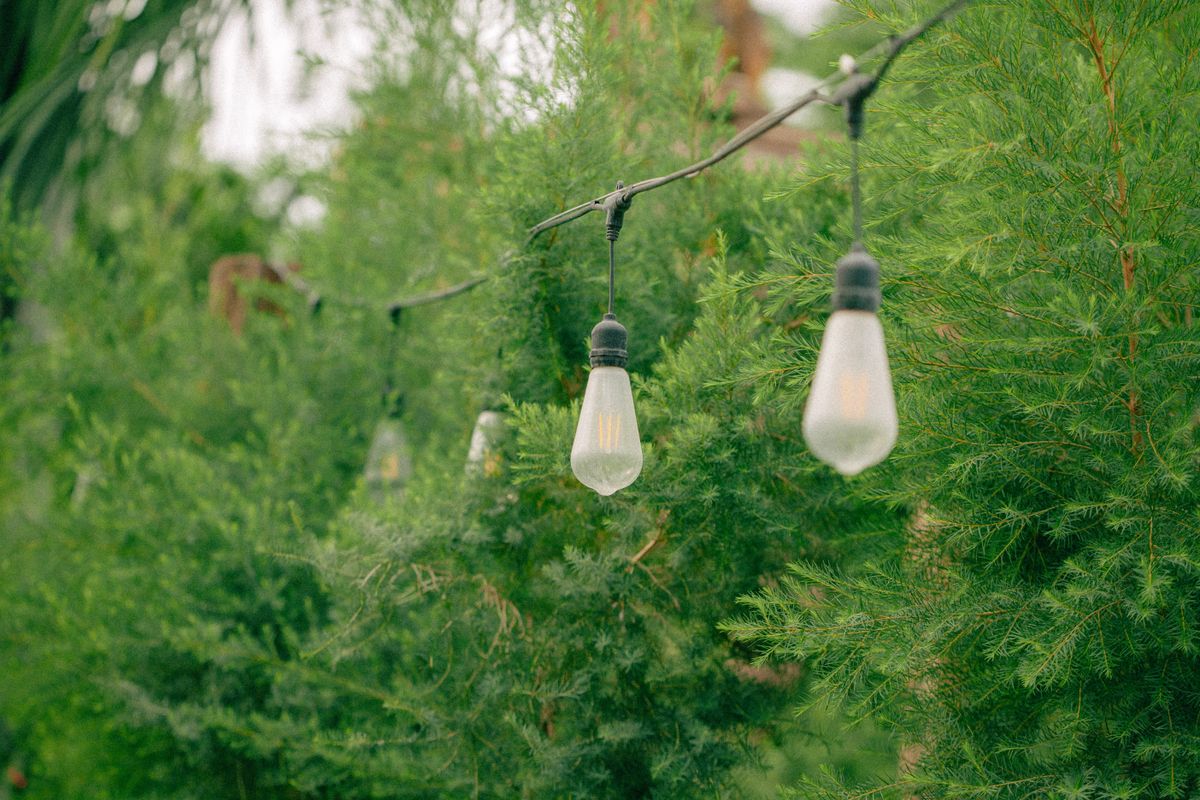
When evaluating Solar Outdoor Fairy Lights against their electric counterparts, I focus on three metrics: installation labor, long-term cost, and environmental resilience. Electric lights offer consistent brightness but require a weather-sealed GFCI outlet and often professional installation if you are stringing them across a large yard. In contrast, solar string lights for patio use are ready to hang immediately. The technical specs for high-quality solar units now include IP65 or higher ratings for waterproof solar garden lights, ensuring they survive heavy downpours just as well as commercial-grade electric sets. While electric lights stay on as long as the switch is flipped, modern solar cells paired with high-capacity batteries now provide 8 to 10 hours of runtime, which covers the entire duration of a typical evening gathering.
Between these two, I’d go with the solar option for 90% of residential applications. If you're on a budget, skipping the electrician fees and the monthly energy bill makes solar the clear financial winner. Here's what I'd actually buy: a high-density Solar Outdoor Fairy Light set with a monocrystalline panel. These panels are significantly more efficient at converting daylight even on overcast afternoons. Skip this if you live in a deep-canyon environment with less than two hours of direct sunlight, as the batteries will never reach a full charge cycle. For everyone else, the freedom to place solar rope lights outdoor or tuck solar firefly lights for yard accents into trees without worrying about trip hazards from cables is the primary advantage.
Expert tip: To maximize your investment, ensure the solar panel is angled exactly 30 to 45 degrees toward the southern sky and keep the surface clear of debris to maintain charging efficiency.
Understanding how long do solar garden lights last is crucial before you commit to a permanent installation. If you are decorating high-traffic areas, I recommend looking into shatterproof solar bistro lights to avoid the mess of broken glass. For those who want more control over their ambiance, optimizing solar outdoor fairy lights with remote and timer settings allows you to conserve battery life. Finally, always perform 5 essential checks for waterproof solar outdoor fairy lights to ensure your seals are tight before the winter season begins.
Shop Solar Outdoor Fairy Lights.