Optimizing Solar Outdoor Fairy Lights with Remote and Timer Controls
 Priya RamanSenior Analyst
August 23, 2026. This analysis explores the technical integration of remote and timer functionality within solar-powered illumination systems. It is intended for property owners seeking to automate their exterior lighting while maintaining high energy efficiency.
Managing exterior illumination requires balancing two axes: convenience and conservation. Think of it as a matrix of user intervention versus battery longevity. When lights are left to operate solely on a dusk-to-dawn sensor, they often deplete their stored energy before the most critical evening hours are over, or conversely, waste energy in the early morning hours when no one is present to enjoy them. This inefficiency is a primary concern for those evaluating solar vs electric outdoor fairy lights, where energy management is the defining differentiator. According to the U.S. Department of Energy, automated controls such as timers and sensors are essential for reducing unnecessary energy consumption in outdoor lighting systems. By introducing a manual override via remote or a programmed shut-off via timer, the user moves from a passive consumer to an active manager of their micro-grid. This is particularly relevant for high-density installations, such as [solar fairy lights for trees](/blog/how-to-choose-waterproof-solar-garden-lights), where manual switching is physically impractical. Without these controls, the system is at the mercy of seasonal daylight fluctuations, leading to inconsistent performance during winter months when charging windows are narrow.
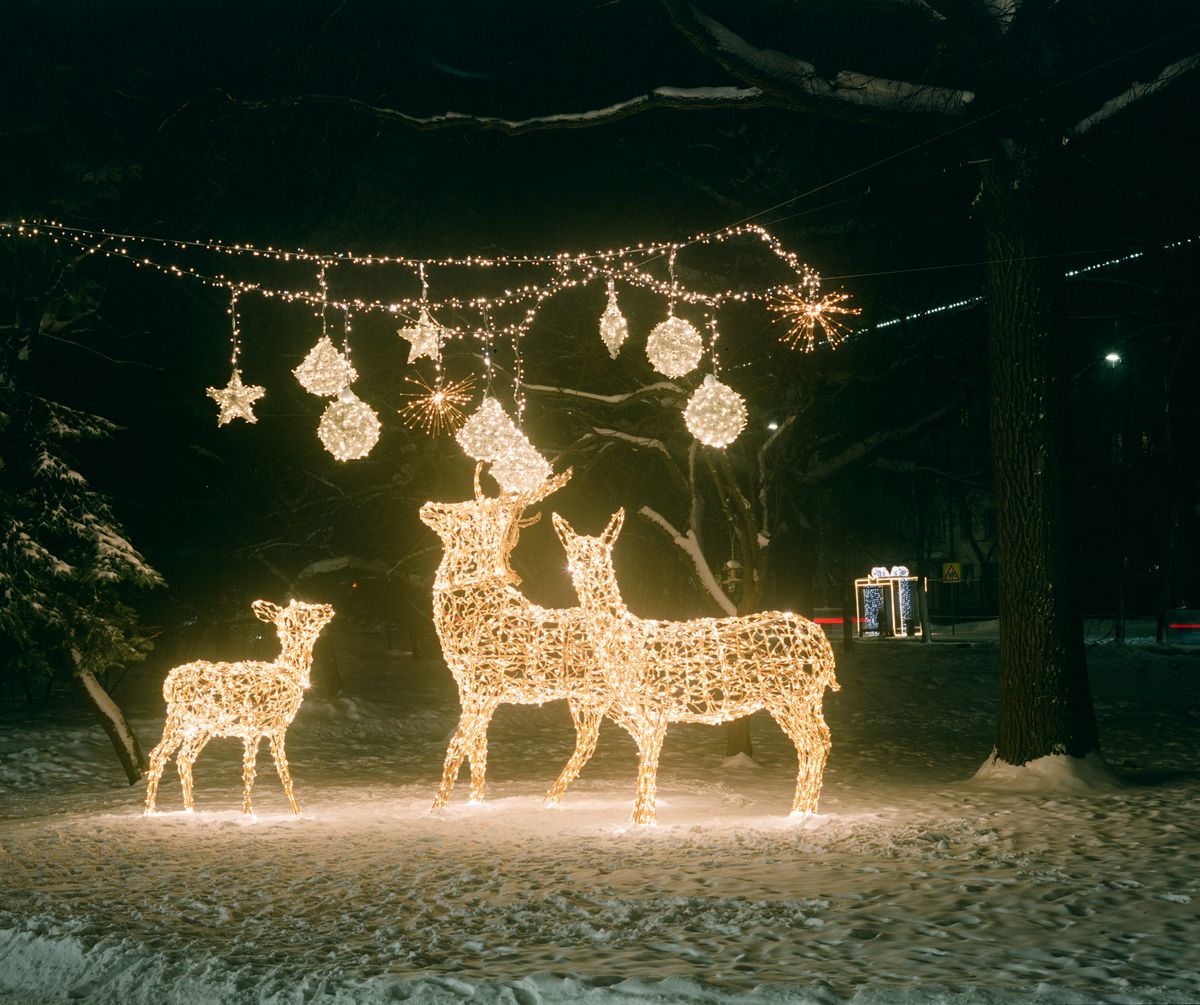
Photo by Alexey Chudin on Pexels
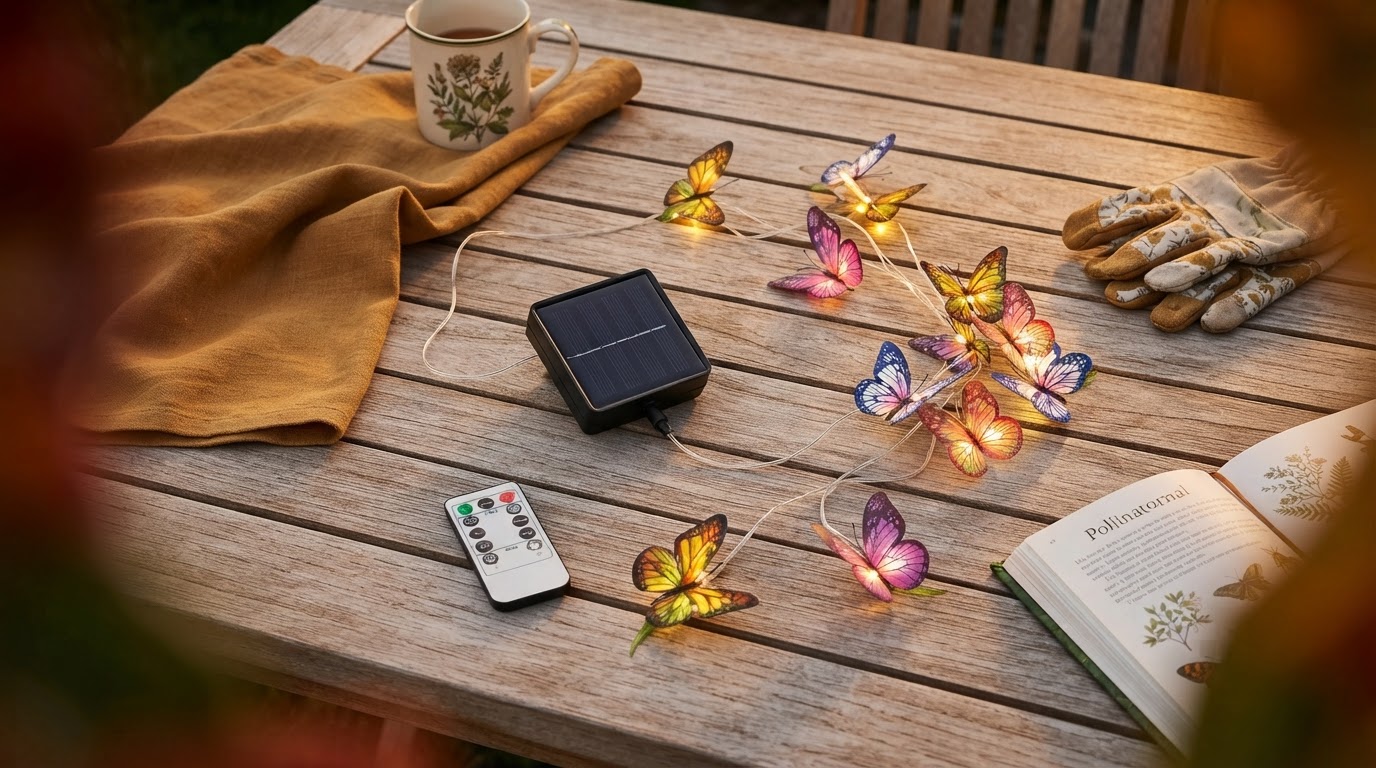
Solar Outdoor Fairy Lights address these challenges by decoupling the activation trigger from the simple absence of light. Standard solar string lights for patio use often rely on a basic photo-resistor that activates the LEDs as soon as the sun sets. However, Solar Outdoor Fairy Lights equipped with 4-hour, 6-hour, or 8-hour timers allow for precise energy budgeting. Once you see it this way, the timer becomes a tool for battery preservation rather than just a convenience. If a solar panel receives six hours of direct sunlight, it may only provide enough charge for eight hours of continuous high-brightness operation. By setting a 4-hour timer, the user ensures the lights remain vibrant throughout the evening while retaining a 50% battery reserve for the following night, which is crucial for determining how long do solar garden lights last over several seasons. Furthermore, the remote control functionality allows for dimming and mode selection—such as steady-on, slow fade, or twinkle—without needing to access the solar panel housing. This is a significant advantage for installations involving shatterproof solar bistro lights or solar rope lights outdoor, where the power source may be mounted high on a fence or gutter line to maximize sun exposure. The remote serves as the central interface for the system's internal controller, allowing for instant adjustments based on the specific social context or weather conditions.
The decision rule: prioritize control interfaces that offer discrete timer intervals and dimming capabilities to maximize the lifespan of the internal lithium-ion cells. When selecting a system, the hardware must be robust enough to withstand environmental stressors while maintaining signal receptivity. The following framework should be used to evaluate the integration of these features:
- Signal Range: Ensure the remote utilizes RF (radio frequency) rather than IR (infrared) if the solar controller is obstructed by foliage or structures.
- Timer Increments: Seek units offering at least three distinct duration settings to adapt to seasonal changes in daylight.
- Memory Function: Confirm the controller retains the last used setting so the lights do not reset to a default mode after a power cycle.
- Brightness Scaling: Verify the system allows for lumen adjustment, as lower brightness levels significantly extend the nightly runtime.
- Weatherproofing: The control housing must meet IP65 standards, a topic detailed in our guide on [waterproof solar garden lights](/blog/how-to-choose-waterproof-solar-garden-lights).
Shop Solar Outdoor Fairy Lights here